The Electronic Frontier Foundation and the American Civil Liberties Union have asked a federal appeals court to require police to obtain warrants before conducting broad searches of automated license-plate reader databases. The groups filed an amicus brief in the US Court of Appeals for the Sixth Circuit in United States v. Sturdivant, according to EFF.
The case arose from a series of robberies around Cleveland, Ohio. Investigators used surveillance footage to identify the make, model and color of a vehicle but did not have its plate number. They then searched databases operated by Flock and ELSAG and found records placing a car belonging to the defendant near robbery locations, EFF said. Those records contributed to the investigation and arrest.
A federal district court rejected a defense request to suppress the license-plate evidence. Its reasoning, as summarized by EFF, was that a plate is publicly visible and the defendant therefore lacked a reasonable expectation of privacy in the information. The appeal puts a different question before the Sixth Circuit: whether aggregating many observations into a searchable history is constitutionally different from an officer seeing one plate on a public road.
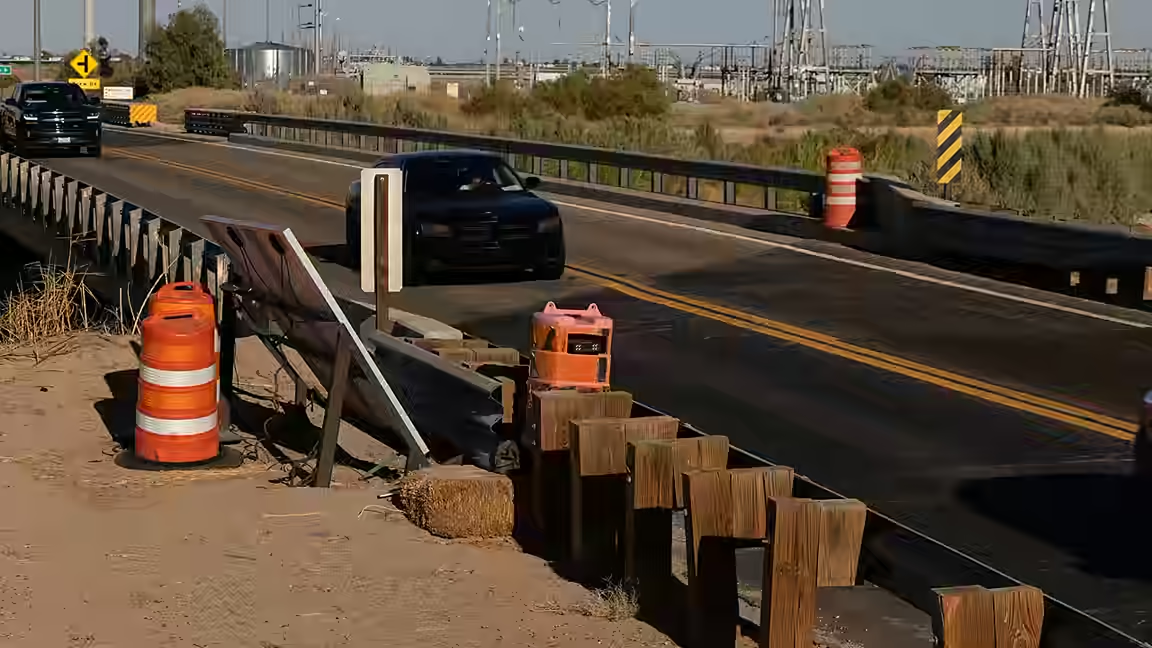
EFF and the ACLU argue that it is. Automated readers photograph passing vehicles and store the plate, location and time, allowing later searches across a network of cameras. The organizations say that scale and retrospective capability can reveal patterns of movement that no single observation would expose. Their brief asks the court to treat such a database query as a search under the Fourth Amendment and require a warrant.
The filing is an argument from civil-liberties advocates, not a ruling. The Sixth Circuit will decide the legal issue presented by the appeal, and the packet does not include a response from prosecutors or the database providers. The district court's decision remains the operative judgment unless the appeals court changes it.
The dispute reflects a broader legal tension around surveillance built from information exposed in public. License plates are designed to be readable, but networked cameras can turn individual sightings into a durable map of travel. Courts must determine when the collection and querying of those records becomes sufficiently comprehensive to trigger constitutional protections.
For the immediate case, the requested rule is specific: EFF and the ACLU want police to secure judicial authorization before using an open-ended license-plate database search to reconstruct a person's movements. The appellate court's eventual decision could shape how agencies within the Sixth Circuit use rapidly expanding plate-reader networks.