An open protocol built for uncertain alliances
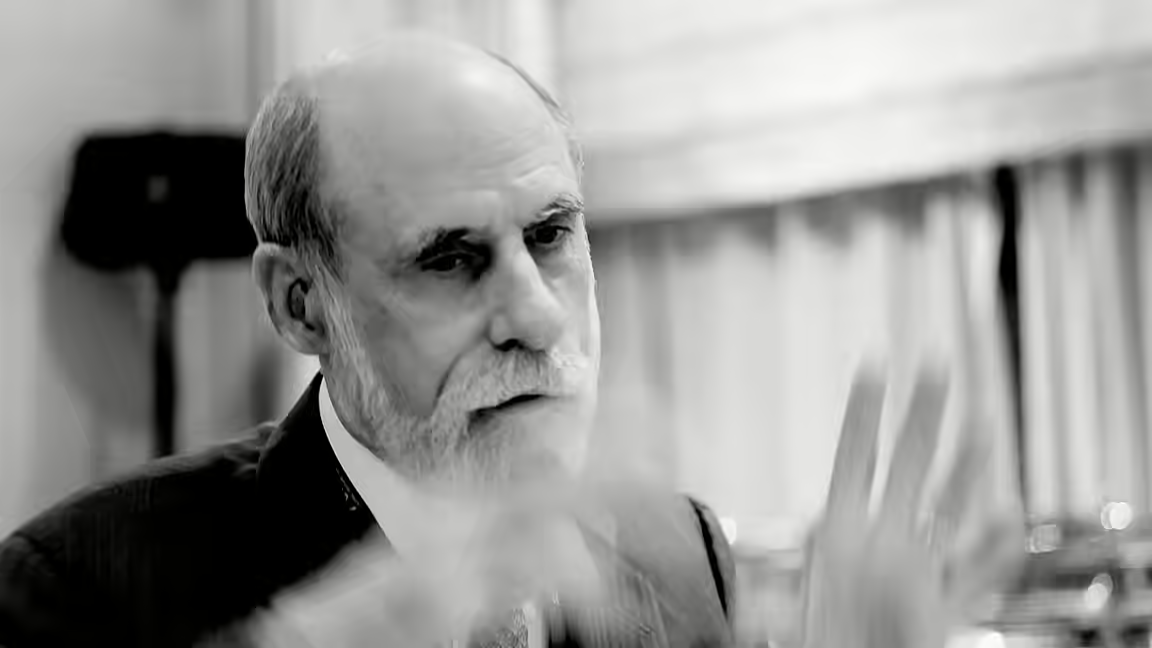
Vint Cerf has offered a concise explanation for a decision that helped shape the modern internet: TCP/IP was made openly available because its designers could not know which countries would be allied with the United States decades later. In a newly published interview, Cerf said openness was the only reliable way to ensure that future partners could use the networking system.
Cerf co-designed the technology with Bob Kahn in the 1970s. Their 1974 paper, A Protocol for Packet Network Intercommunication, described a way to connect separate packet networks into a larger network of networks. The original design was later divided into the Transmission Control Protocol and Internet Protocol. TCP/IP became the foundation of the DARPA internet in 1983.
The account places the decision against a strategic horizon much longer than a normal product cycle. Rather than reserve the technology for a known group, the designers treated interoperability as the more durable objective. Cerf's explanation suggests that broad access was not merely a licensing preference; it was a response to the impossibility of predicting the diplomatic map 25 years ahead.
The interview also traces the practical culture around the early commercial internet. Cerf recalled the 1989 launch of CERFnet in San Diego, one of three commercial internet services then starting in the United States. Its founders had considered the name SURFnet but changed course because a Dutch network already had a similar name. Cerf eventually allowed the service to use his own. At the launch, he and the network's director marked the occasion by breaking a plastic bottle of glitter over a Cisco router.
Cerf also discussed the importance of collaboration in software work. He described spending two weeks trying to isolate an intermittent program failure before asking Steve Crocker to examine the code with him. Crocker identified the problem within seconds. For Cerf, the episode illustrated how another engineer's perspective can unlock a problem that has resisted prolonged individual effort.
The conversation extends from the internet's past to the preservation risks of its future. Cerf said he worries that records produced in the 21st century could become unreadable or otherwise uninterpretable in the 22nd. That concern connects protocol openness with a broader question: technical systems endure only when later users retain the means to understand and operate them.
Cerf, now 83, left Google this year after more than two decades and is helping establish Tolero, a company working on software for communication between planets. The interview presents that effort as another interoperability challenge, this time constrained by immense distance and the speed of light. Across both projects, the recurring theme is designing systems for users and conditions that cannot yet be known.