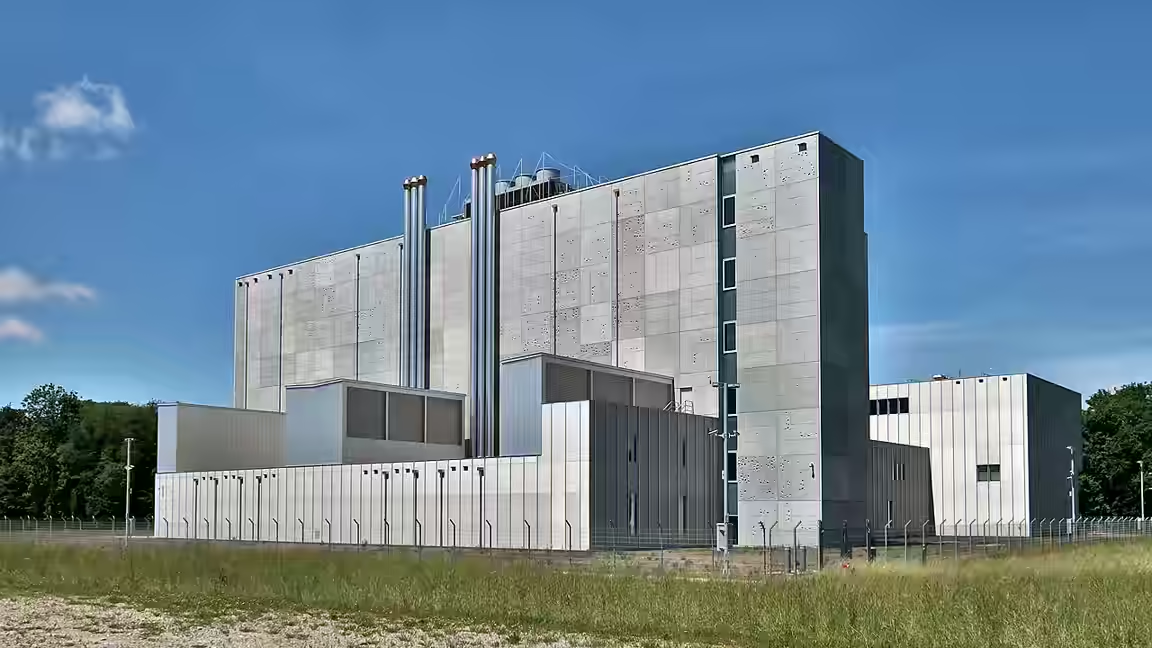
Voters in more than 30 US localities across nine states approved ballot measures restricting data centers, delivering a broad local rebuke to an industry racing to add computing capacity for artificial intelligence. The measures included temporary moratoriums, outright prohibitions and financial or operating conditions aimed at proposed or existing projects.
The results showed that resistance to data-center construction had moved beyond isolated zoning disputes. In Edgewater, Florida, voters supported adding a ban to the city charter. In Perry, Ohio, residents approved constraints affecting large operators that seek tax incentives. The votes varied in design, but together they gave municipalities more leverage over projects whose electricity use, water demand, tax treatment and local footprint have become political issues.
The pushback also entered statewide and federal campaigns. An analysis cited in the source found that Democratic candidates in more than 130 congressional and gubernatorial races aired advertising critical of technology companies or data centers. Some Republicans also adopted promises of tighter oversight. Texas Governor Greg Abbott, previously an advocate of AI development, was among the politicians who moved toward tougher regulation during the campaign, although that shift did not prevent his defeat.
For developers and their financial backers, the votes add another variable to an already capital-intensive expansion. Banks and asset managers have begun considering community opposition when assessing credit risk, according to the report. Large technology companies, meanwhile, are hiring staff focused on community relations as they try to secure sites, permits and public support. Some have adopted the term “compute campus” for the facilities, an effort to change how projects are presented to residents.
The local measures do not amount to a national prohibition on data-center construction, and their legal and commercial effects will depend on the wording and implementation in each jurisdiction. They nevertheless demonstrate that access to land and power is not the only constraint on the AI buildout. Developers must also persuade communities that promised investment and tax revenue outweigh concerns over infrastructure, resource use and public subsidies.
The November 4 results give residents a more direct role in deciding where large computing facilities can operate and on what terms. For investors, the geographical spread of the votes is a warning that opposition cannot be treated as a problem confined to one region or political party. Future projects may face longer approval processes, stricter conditions and greater scrutiny of the public benefits claimed by their sponsors.