A Florida wildlife biologist who snorkeled in a retention pond beside a Home Depot found a surprisingly active aquatic habitat beneath water that appeared stagnant from the parking lot. Joseph Ricketts filmed the nighttime dive and published it on YouTube, where the video had drawn more than two million views when Vox interviewed him about the excursion.
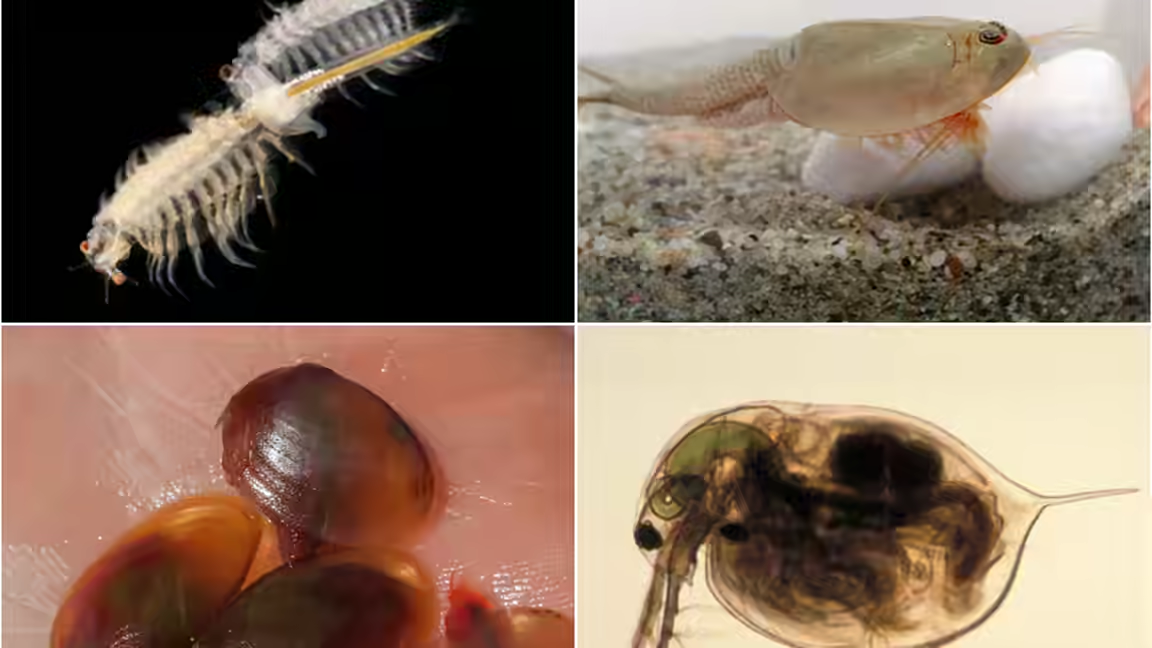
Ricketts, whose research work focuses on crocodiles and alligators, recorded a water snake, tadpoles at different stages of development, frogs, dragonflies and shrimp-like animals on the silty bottom. The most unexpected find was a tadpole shrimp, often called a triops. Ricketts said he did not recognize it during the dive and consulted colleagues before researching its identity. The crustacean is not native to Florida and is normally associated with the Midwest, according to his account.
Triops are suited to temporary water. Their eggs can remain in soil during dry periods, then hatch after rain and move rapidly through feeding, growth and reproduction before conditions change again. Ricketts had considered exploring the pond for years but waited through drought conditions until rainfall made the dive possible. The site was only about three miles from his home.
The pond also illustrates why such water bodies appear beside large paved developments. Wetlands absorb stormwater, but roads, roofs and parking lots prevent water from soaking into the ground in the same way. Retention ponds collect that runoff and reduce the risk of flooding nearby buildings and paved areas. In heavily developed parts of Florida, they can also become improvised habitat for animals able to use isolated patches of water.
Ricketts treated the wildlife he found as evidence of nature’s adaptability, not an argument that engineered ponds can replace intact wetlands. He told Vox that animals may persist in constrained urban spaces even as the original ecological system disappears. A small pond can be worth preserving and observing, he argued, while still being fundamentally different from a large, undisturbed habitat.
That tension helped the video resonate beyond its novelty. The dive made an overlooked piece of stormwater infrastructure visible as a living environment, complete with native animals, an introduced species and discarded cans. It also showed the limits of resilience: wildlife can occupy the spaces development leaves behind, but survival in a parking-lot pond does not preserve the full ecosystem that paving displaced.
Ricketts also made the discovery process part of the story. Even with professional expertise in reptiles, he did not claim instant knowledge of every animal he encountered. Identifying the triops required consultation and follow-up research, showing how small urban habitats can contain organisms outside a specialist’s usual field.