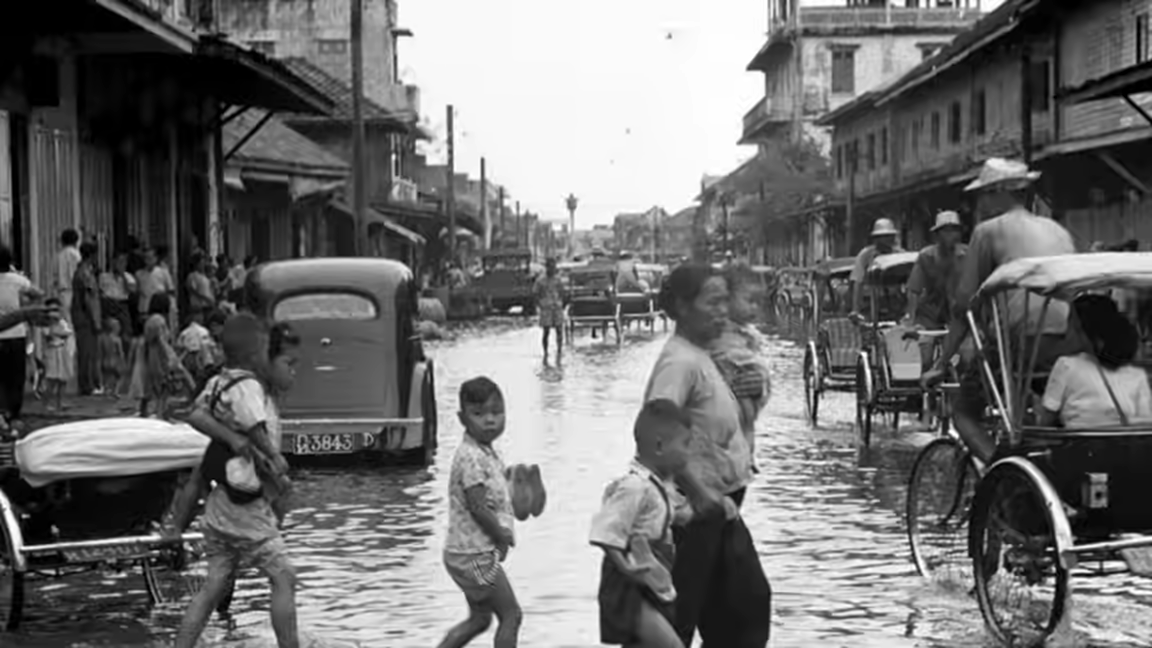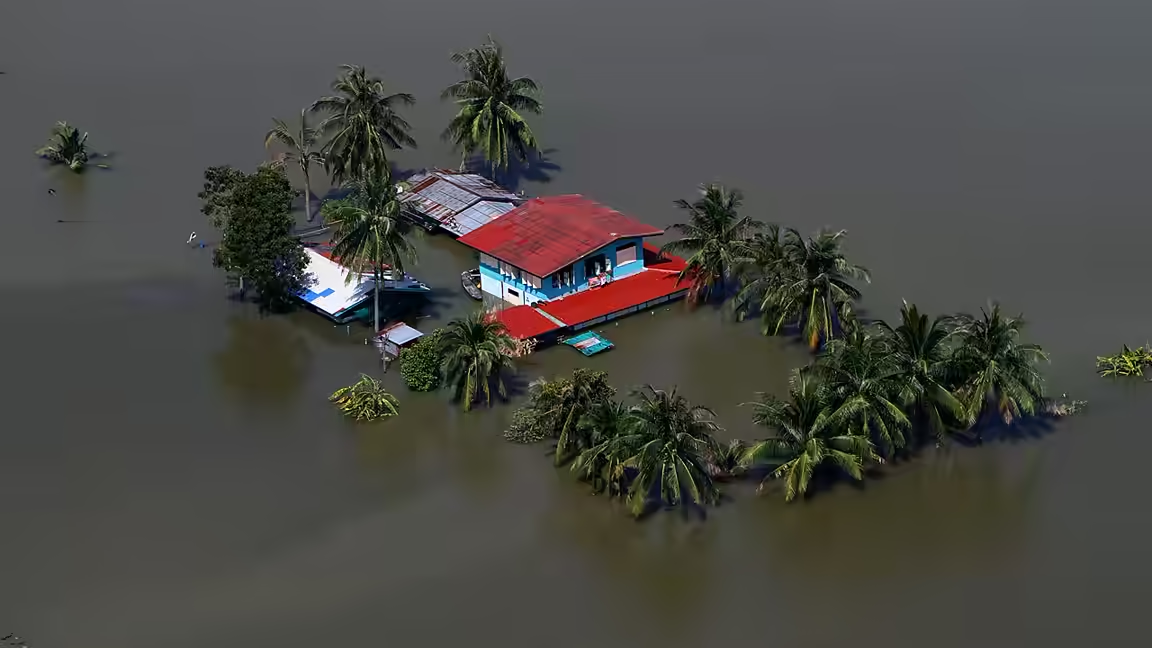
Severe flooding has killed at least eight people in Thailand and eight more in neighboring Myanmar, as heavy rain inundated communities, disrupted Bangkok and complicated rescue work in an area of Myanmar already affected by conflict.
Thailand’s Department of Disaster Prevention and Mitigation said the country’s deaths had occurred in three eastern provinces since September 16. No fatalities were reported in Bangkok, but the capital was dealing with a fourth consecutive day of flooding on September 28 after authorities declared a citywide disaster two days earlier. Schools closed and officials encouraged residents to work from home where possible.
The scale of the disruption extends well beyond the capital. Government figures reported by AFP said more than 500,000 households and 1.7 million people had been affected across 27 Thai provinces. The interior ministry said more than 80,000 people were unable to leave their homes on Monday. Thousands of residents had moved into temporary shelters.
Conditions varied sharply between neighborhoods. In Bangkok’s eastern Bang Kapi district, residents of one apartment complex were stranded after water entered early Saturday, flooding its car park and courtyard and cutting electricity and running water. Some depended on delivered food, candles and collected rainwater. Elsewhere, vendors and customers used boats, trolleys and improvised flotation to move through flooded streets.
Across the border in Myanmar, rescuers said flooding and landslides in the southern Tanintharyi region had killed at least eight people. Between 20 and 30 others were reported missing. A landslide in Launglon township buried 18 buildings in a village, according to a local volunteer involved in the response. Three teenagers who had gathered at a monastery were among the bodies recovered.
Continued rainfall left other villages in danger, the volunteer said. Relief work faces an additional obstacle in Myanmar because the civil war restricts access and makes the size of disasters difficult for humanitarian organizations to measure. Local responders described shortages of resources alongside the physical scale of the flooding.
September normally falls within Thailand’s rainy season, and Bangkok’s low-lying geography and extensive canal network leave parts of the city exposed to high water. The immediate official response has focused on closures, remote work, evacuation and reaching residents isolated in their homes. The reported totals remain provisional because rescue and assessment work is continuing, particularly in Myanmar.
The two-country emergency shows how one weather system can produce different but simultaneous crises: mass urban disruption in and around Bangkok, widespread provincial flooding across Thailand, and deadly landslides in southern Myanmar. Authorities and volunteer teams were still working through those conditions as rain continued.